
A facility buys a TRIO, gets trained, starts strong. Three months later the machine is in the same corner it was left after the last cleaning day. The carpet looks fine … until it doesn’t. By the time someone notices, the program has been dead for months.
This is more common than anyone wants to admit.
Why Machines Stop Getting Used
Not a judgment, a practical diagnosis. The reasons are usually one of four things:
- Staff turnover. The person who was trained is gone and nobody told the new hire.
- No scheduled program. The machine gets used reactively instead of on a calendar.
- No accountability. Nobody is checking whether it happened.
- Early results felt underwhelming. Usually a dilution or frequency problem, not a machine problem.
What It Actually Costs
Carpet that is not maintained ages faster, soils deeper, and requires more aggressive intervention to recover. The math on carpet replacement vs. consistent interim cleaning is not close.
The Hour Meter Changes This
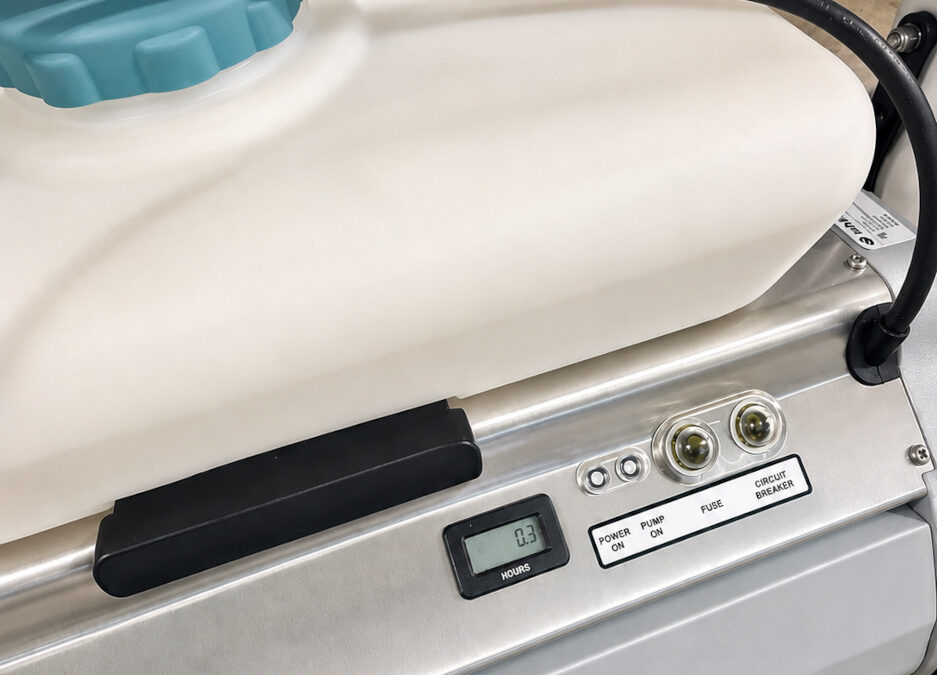
New Whittaker TRIOs are now shipping with a built-in hour meter, and we are rolling it out across the full line. It works exactly like the mileage on your car – it runs when the machine runs and it cannot be reset. The hour meter shows you exactly how long the machine has been running. No more guessing, no more checking whether the carpet looks okay and hoping for the best.
For a facility manager overseeing an in-house team, that accountability changes the conversation entirely. Did the team run the machine this week? The hour meter knows.
For a BSC running crews across multiple accounts, it is a program management tool. A machine logging 8-10 hours a day looks very different from a machine that has barely moved. Both are valid depending on the account and now you can see it.
Note: We are still building out the service interval guidance tied to hours because the right benchmarks look different depending on how the machine is being used. A facility cleaning weekly has different wear patterns than a BSC running it daily. What we can tell you now is this: once you run the machine for the first time, you have a baseline. Build that into your maintenance program. Use the hour meter to confirm the equipment ran and that preventive maintenance was completed on schedule.
How to Build a Program That Actually Gets Used
The hour meter does not tell you whether your program is perfect, it tells you whether your program is happening.
- Put it on a written schedule tied to traffic zones
- Tie chemistry reorders to the schedule so running low is a signal the program is working
- Build a short retraining moment into onboarding for every new staff member who will touch it
- When possible, assign the machine to a specific person, role, or team
The Close
If your machine is not moving, the problem is not the machine, it is the program around it. The good news is that it is fixable and faster than you think.
CTA: Call us. We can usually diagnose what went wrong in a single conversation.
